The Asia Pacific Road Safety Observatory (APRSO) is the regional forum on road safety data, policies and practices to ensure the protection of human life on the roads across Asia and the Pacific. Read More
Take Part Join our Mailing List Contact Us
What's New

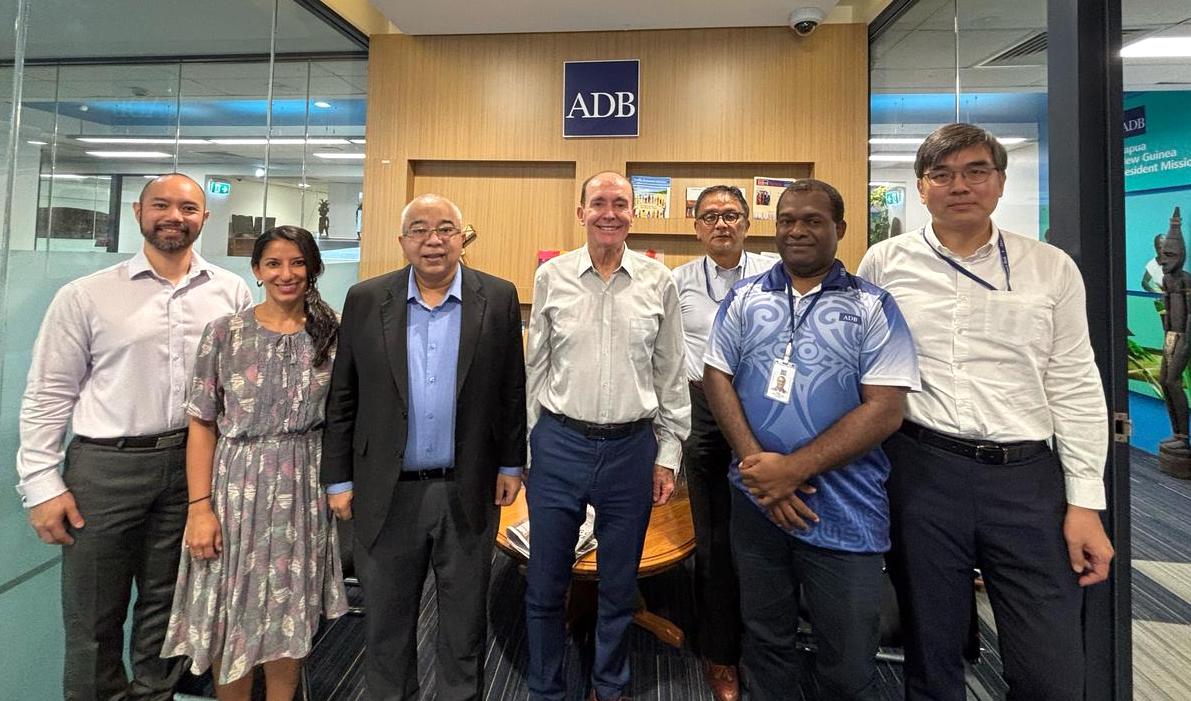
Last 28 April - 2 May 2025, APRSO member country Fiji was the focus of a series of activities led by an expert panel representing APRSO and the Asian Development Bank (ADB).
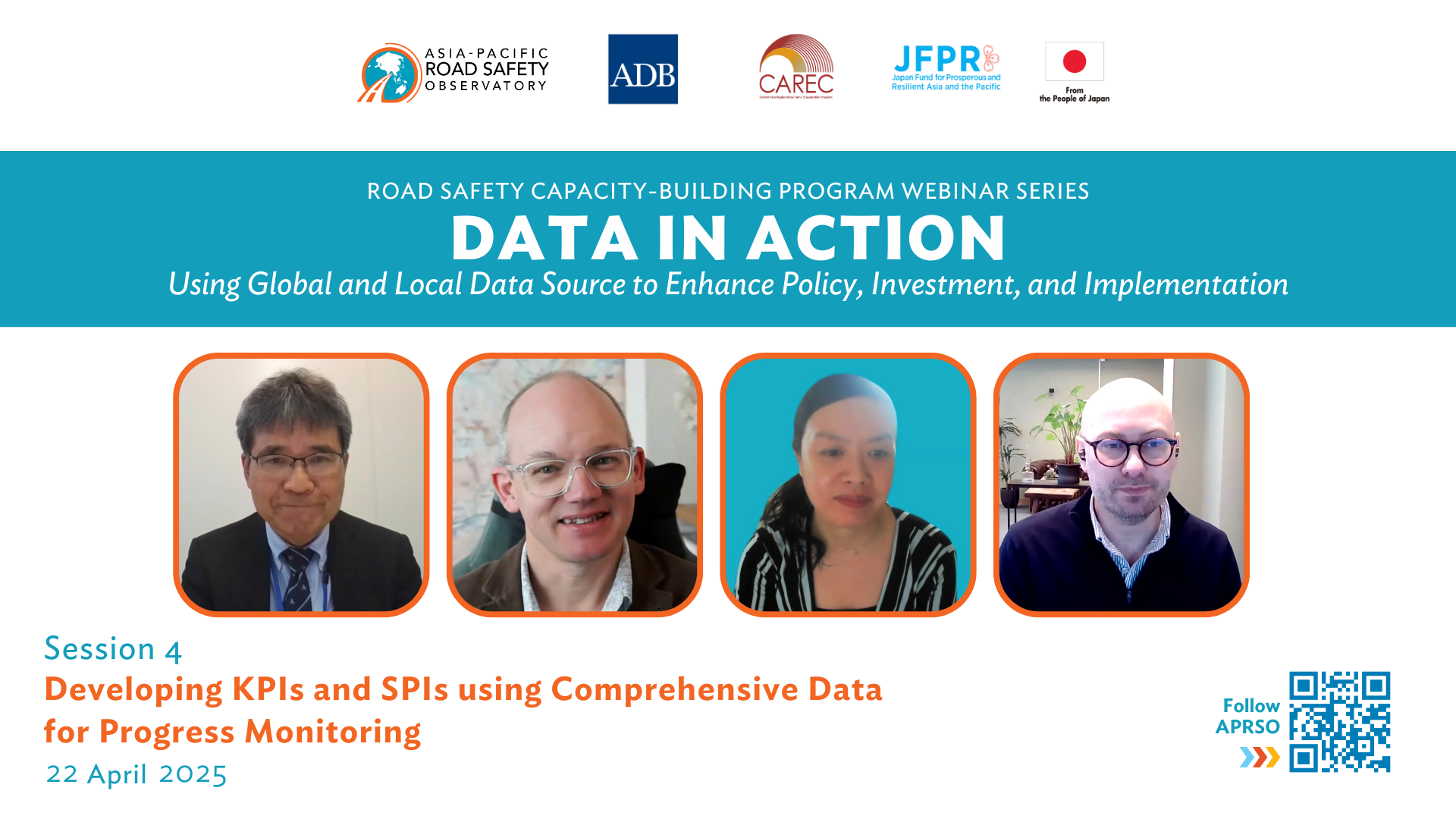
On 22 April 2025, the fourth session of the Road Safety Capacity Building Program webinar series was delivered online to more than 140 participants.
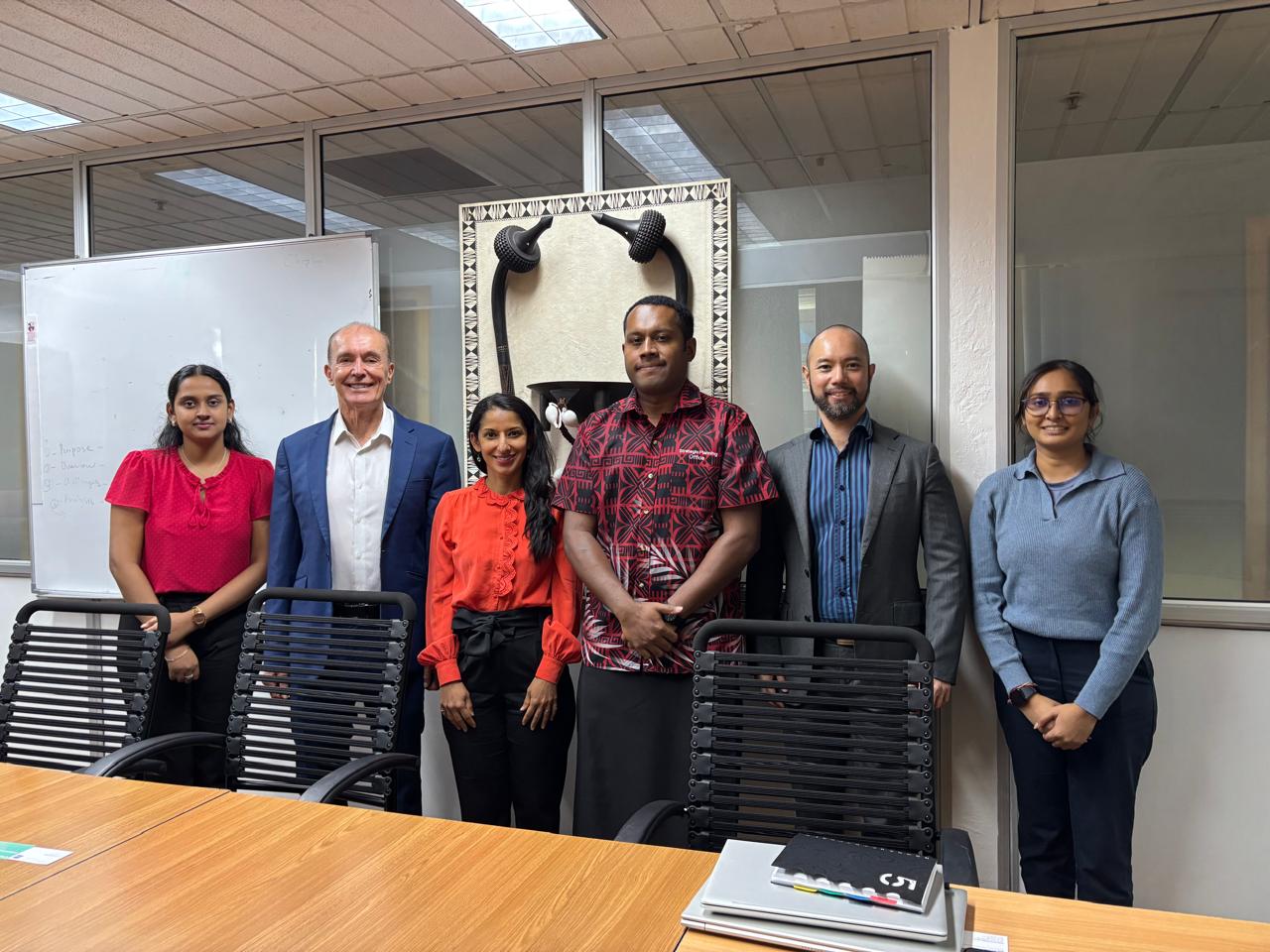
On 28 April 2025, an expert team from APRSO and the Asian Development Bank (ADB) commenced a series of road safety activities in Fiji.
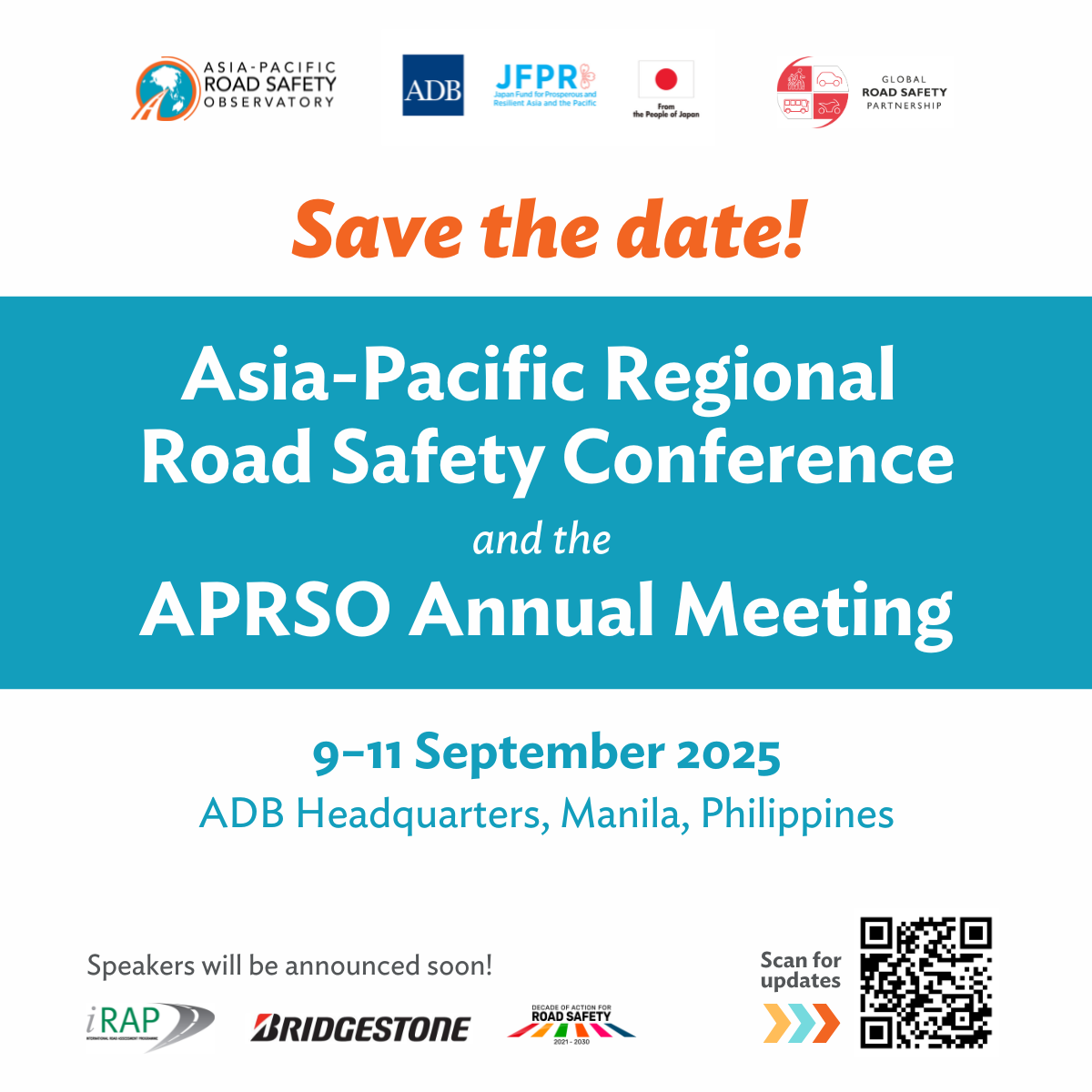
The event is co-hosted by the Asia- Pacific Road Safety Observatory (APRSO), the Asian Development Bank (ADB) and the Global Road Safety Partnership (GRSP), and will be held in-person at the ADB Headquarters in Manila, Philippines on 9–11 September 2025.
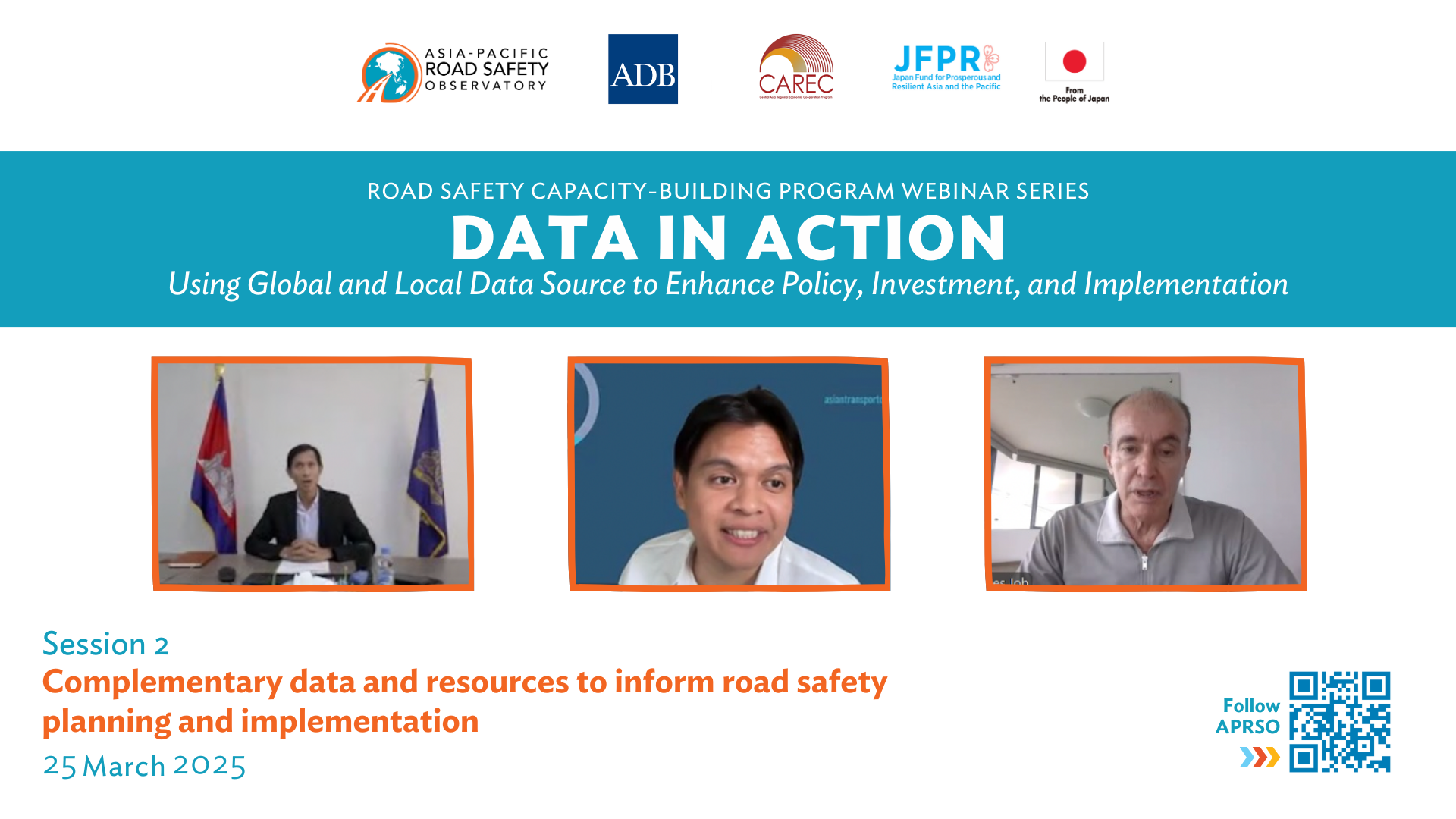
On 25 March 2025, the second session of the Road
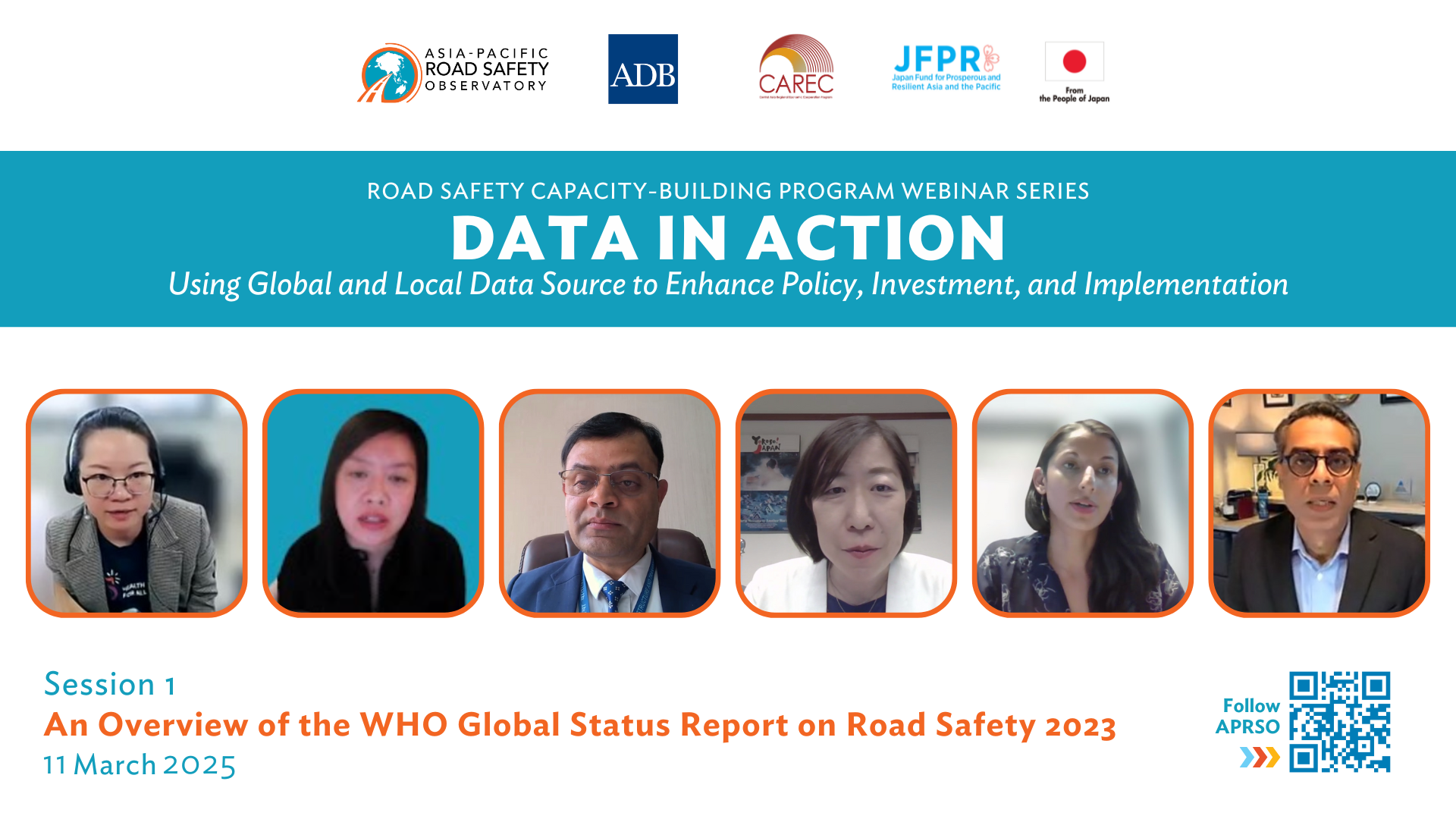
On 11 March 2025, the first session of the Road Safety Capacity Building Program webinar series was successfully delivered. The series, Data in Action: Using Global and Local Data Sources to Enhance Policy, Investment, and Implementation, is being co-delivered by the Asia Pacific Road Safety Observatory (APRSO), the Asian Development Bank (ADB) and the CAREC program.
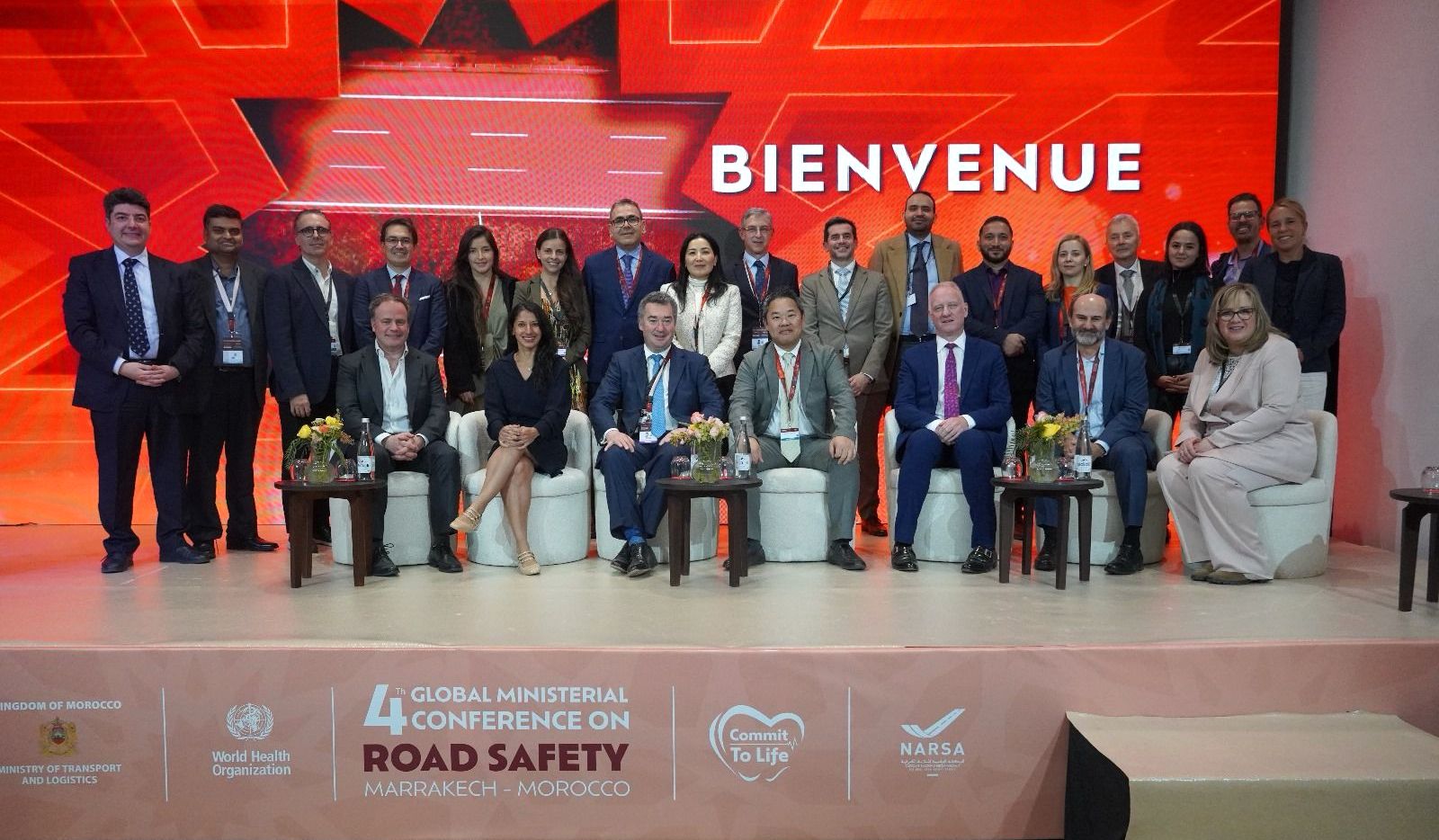
From 17 - 20 February 2025, the Asia Pacific Road Safety Observatory (APRSO) and the Asian Development Bank (ADB) participated at the 4th Global Ministerial Conference on Road Safety in Marrakech, Morocco.
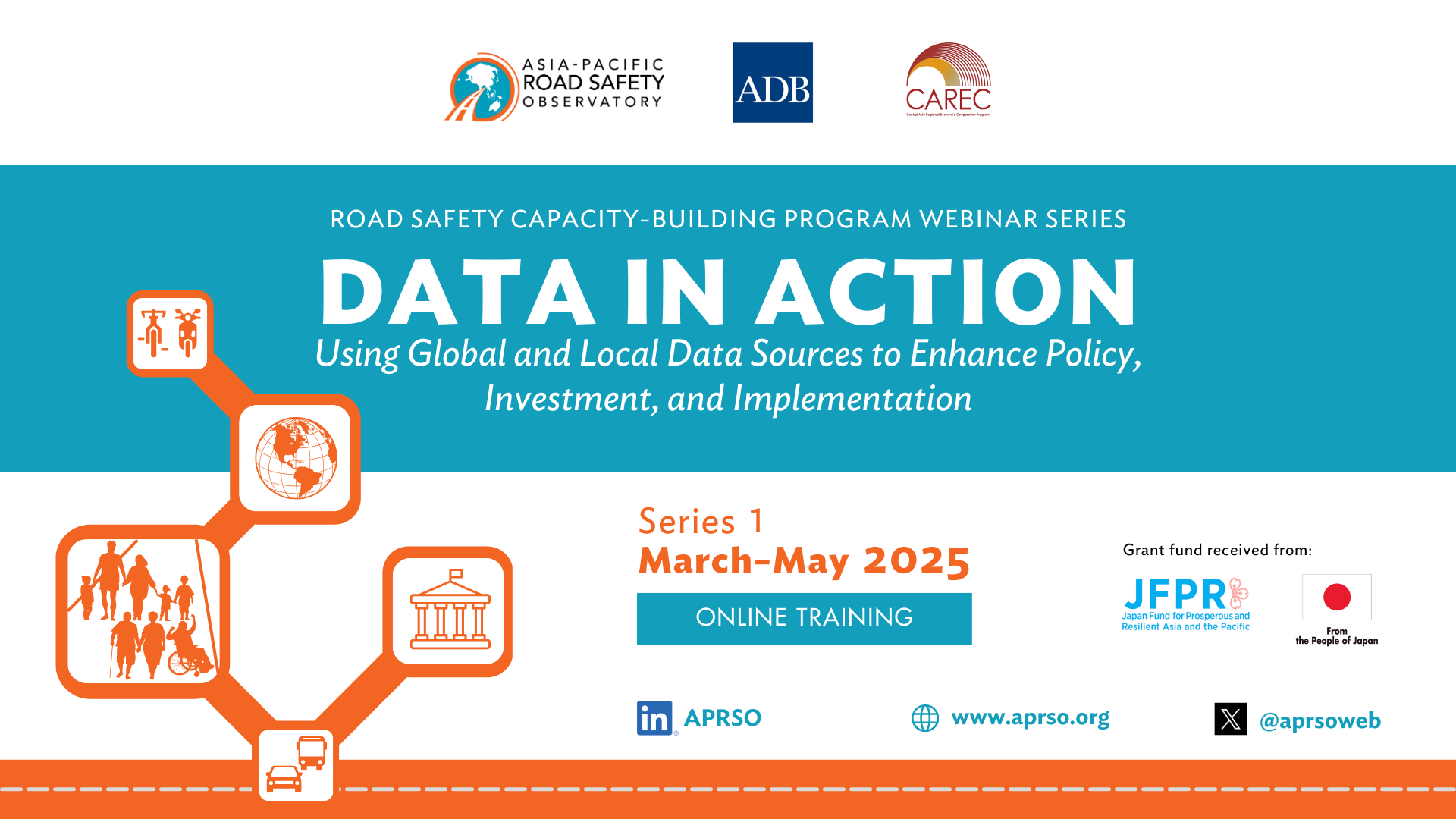
The Asia Pacific Road Safety Observatory (APRSO) and the Central Asia Regional Economic Cooperation (CAREC) will kick off a road safety capacity building program webinar series in March 2025.
Using theoretical and analytical foundations, this working paper shows the development and use of a maturity assessment framework to support ADB operations and road safety improvement in developing member countries.
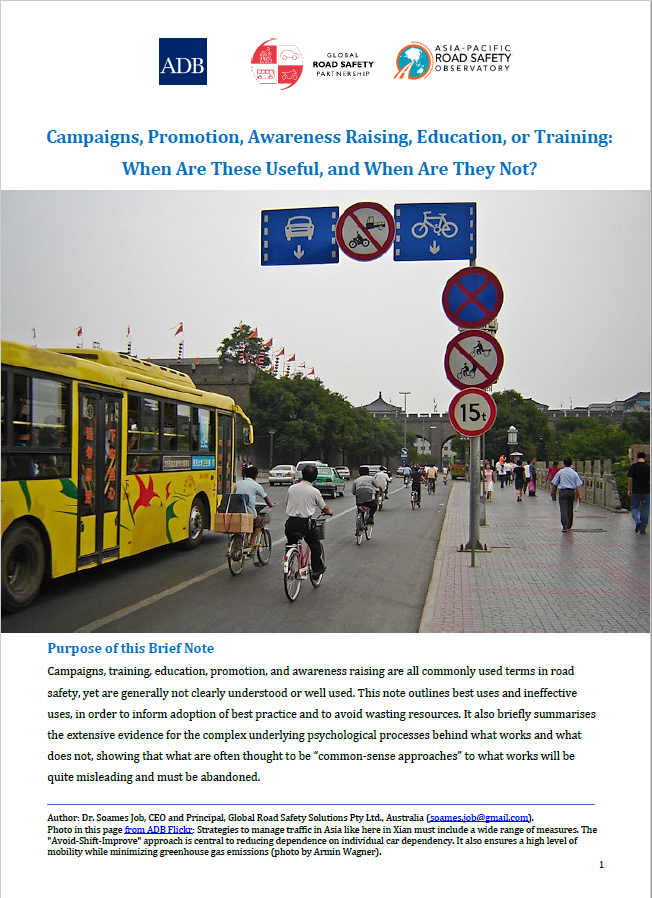
Campaigns, training, education, promotion, and awareness raising are all commonly used terms in road safety, yet are generally not clearly understood or well used. This note outlines best uses and ineffective uses, in order to inform adoption of best practice and to avoid wasting resources. It also briefly summarizes the extensive evidence for the complex underlying psychological processes behind what works and what does not, showing that what are often thought to be “common-sense approaches” to what works will be quite misleading and must be abandoned.
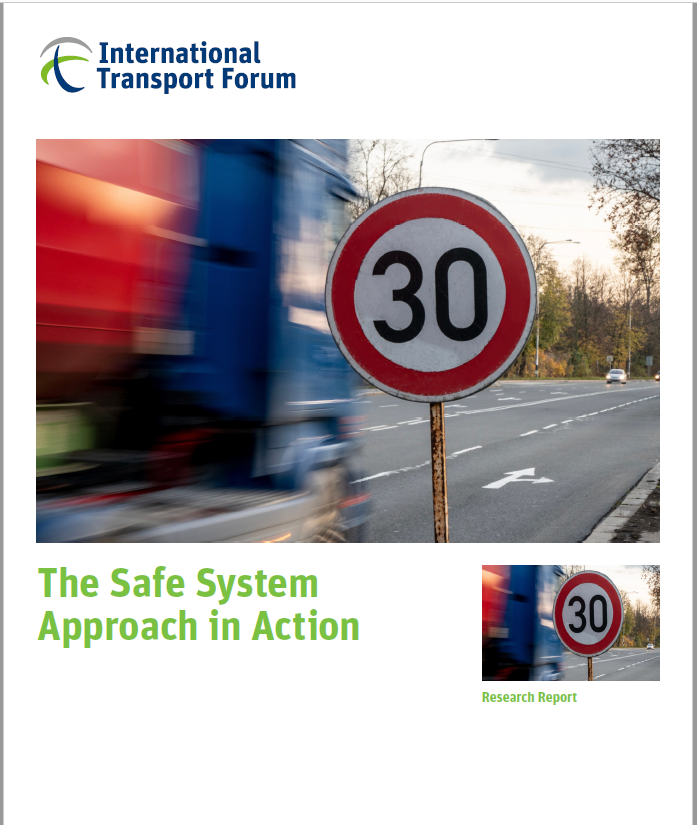
Road crashes kill over 1.3 million people every year worldwide and seriously injure millions more. A Safe System approach to road safety can drastically reduce road deaths – but how can it actually be put in place? This report provides experience-based guidance on implementing the Safe System approach.
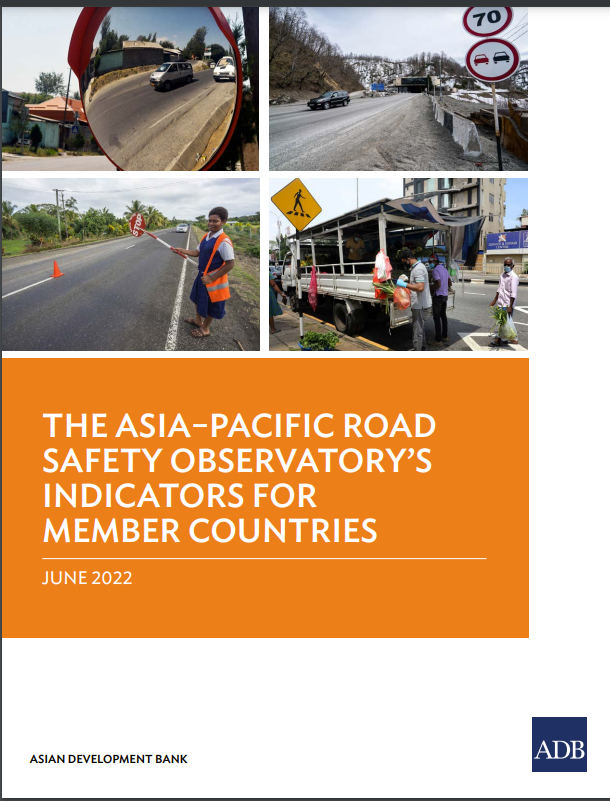
This report prepared by an Asia–Pacific Road Safety Observatory (APRSO) taskforce analyzes how improving crash and accident data collection can better protect lives on the region’s roads.
The State Program of Azerbaijan Republic on Road Safety for 2019-2023 reflects measures on reducing the number of traffic crashes by increasing the level of road safety in the Republic of Azerbaijan, and reducing the socio-economic damage to the country as a result of these fatalities. Large-scale, intensive, systematic, and coordinated measures on the basis of single program are needed to implement for increasing the level of road safety in the country, reducing the number of road crashes and their damage, and ensuring the transition to the use of environmentally friendly vehicles.
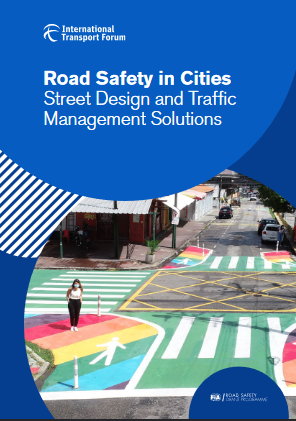
From the International Transport Forum:
This booklet presents measures that effectively reduce road traffic deaths and serious injuries in cities. It covers urban street design, traffic management and improving mobility options. Measures are illustrated with examples reported by cities collaborating in the ITF Safer City Streets network and include information on cost and effectiveness.
We'd like to share a visual summary of key findings from the APRSO's Annual Report 2021.
From the Foreword:
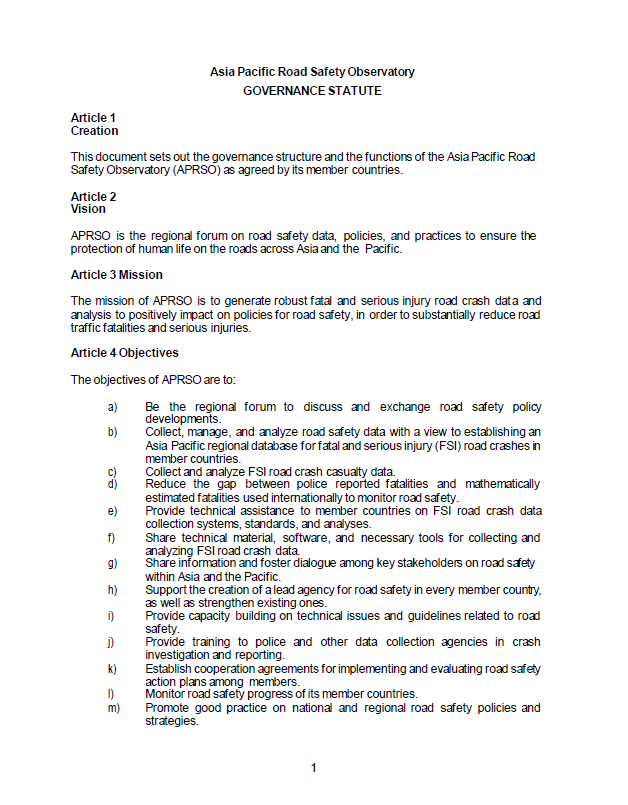
Amended and accepted by members after the APRSO Annual Meeting in Nov 2021.
Excerpt
GOVERNANCE STATUTE
Article 1 - Creation
This document sets out the governance structure and the functions of the Asia Pacific Road Safety Observatory (APRSO) as agreed by its member countries.
Article 2 - Vision

Road accidents inflicts high economic costs. This ratio considers economic costs of road accidents with GDP (SEC-SEG-001).
Road accidents inflicts high economic costs. This indicator reports economic costs of road accident injuries in USD.